This is a script for a romantic drama titled “The Echo of Rainy Afternoons.” Given the length constraint, I have structured this to focus on character development, emotional tension, and a narrative arc that explores themes of missed connections and second chances.
The Echo of Rainy Afternoons
Characters:
ELARA (28): An archivist who finds comfort in the past. She is meticulous, guarded, and carries a quiet melancholy.
JULIAN (30): A travel photographer who has spent years running away from his roots. He is charming but restless.
![]()
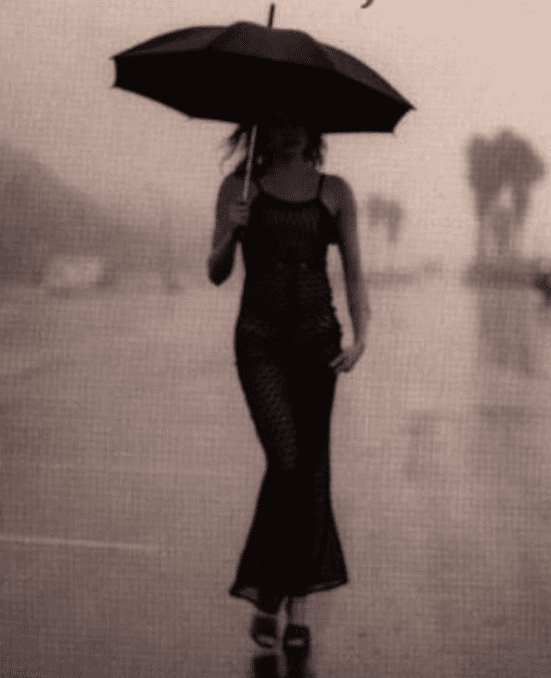
Scene 1: The Dust of Memory
Setting: A dimly lit, cramped basement archive of a city library. Rain streaks the high, narrow windows.
The air smells of decaying paper and damp concrete. Elara is meticulously cataloging a stack of letters from the 1950s. She wears oversized glasses and a cardigan that looks like a hug.
The heavy iron door creaks open. Julian stands there, shaking a wet umbrella. He looks out of place, like a splash of color in a monochrome room.
JULIAN “I was told there was a woman here who could find anything. Even things that have been lost for seventy years.”
ELARA (Without looking up) “Everything is findable, Mr…? It’s a matter of patience and knowing how to look.”
JULIAN “Julian. And I’m not sure patience is my strong suit.”
Elara finally looks up. Her gaze is sharp, analytical. Julian smiles—a slow, disarming thing.
ELARA “If you want something found, you have to leave me to my work. And close that umbrella. You’re dripping on the records.”
Scene 2: The Unraveling
Setting: Two weeks later. The same archive.
Julian has returned every day. He claims to be looking for his grandmother’s lost correspondence, but the deeper they dig, the more they talk about their own lives.
JULIAN “Why do you stay down here, Elara? You’re young. The world is out there, in high definition.”
ELARA (Tracing a letter with her finger) “People think archives are about dead things. They aren’t. They’re about the moments people tried to save before they disappeared. Out there? Things disappear too fast. Nothing sticks.”
JULIAN “I’ve spent five years capturing ‘things’ on film. I’ve seen the Himalayas, the markets of Marrakech, the streets of Tokyo. And yet, I don’t feel like I’ve held onto a single thing.”
Elara looks at him, really looks at him. For the first time, she sees the exhaustion behind his eyes.
ELARA “Maybe you’re looking through the lens instead of at the subject.”
Scene 3: The Turning Point
Setting: A small cafe near the library. Night. The rain has turned into a steady, rhythmic downpour.
They are sitting in a corner booth, coffee long gone cold. The dynamic has shifted. There is a palpable tension—the space between their hands on the table feels electrified.
JULIAN “I leave for Patagonia on Sunday. Three months. Maybe more.”
Elara feels a hollow ache in her chest, a sensation she hasn’t felt in years. She tries to maintain her clinical detachment.
ELARA “That sounds like a beautiful assignment.”
JULIAN (Leaning forward) “It’s not an assignment, Elara. It’s an escape. It always has been. But this time… I find myself wanting to leave something behind. Not just a trail of postcards.”
He reaches out, his fingers grazing hers. The contact is electric. Elara doesn’t pull away.
ELARA “Then don’t go. Or go, and come back to something. Not just to an empty apartment and a collection of cameras.”
Scene 4: The Climax
Setting: The train station. Sunday morning. The air is crisp and smells of ozone.
Julian is standing by the platform. His bags are packed. Elara is there, standing five feet away. She didn’t come to stop him, but she couldn’t stay away.
JULIAN “I thought you wouldn’t come.”
ELARA “I’m an archivist. I couldn’t let a story end without knowing how it finishes.”
Julian takes a step toward her. He drops his duffel bag.
JULIAN “I’m not getting on the train, Elara. I called them this morning. I told them I was done.”
Elara freezes. The reality of the moment crashes over her—the vulnerability of hope.
ELARA “You’re choosing to stay? Because of me? That’s not a foundation, Julian. That’s an impulse.”
JULIAN “It’s not for you. It’s for me. Because for the first time in years, the only place I want to be is exactly where you are.”
Scene 5: The Echo
Setting: Six months later. A sunlit studio apartment.
The room is filled with photographs—not of far-off lands, but of details: a cracked sidewalk, a sleeping cat, a close-up of Elara reading by the window.
Elara is organizing a new collection of photos. Julian walks in from the kitchen, handing her a cup of tea. He looks content. The restlessness is gone, replaced by a quiet, steady rhythm.
ELARA (Smiling) “You know, you’re becoming a surprisingly good photographer.”
JULIAN “I had a good teacher. She taught me how to look at the things that don’t move.”
They stand by the window, watching the city below. The rain begins to fall, a soft, familiar sound. They don’t need to say anything else. The echo of their pasts has finally faded, and for the first time, they are writing their own history in the present.
[CURTAIN]
Narrative Note
This story follows the Enemies-to-Lovers (or in this case, Reserved-to-Open) trope, focusing on the internal change of both protagonists. Julian moves from external validation (travel) to internal fulfillment (stability), while Elara moves from observing life (archives) to living it.
The rain serves as a recurring motif, representing the passage of time and the cleansing of their past insecurities. The ending is intentionally quiet—romance, in its most sustainable form, is often found in the “sunlit studio” moments rather than the grand gestures at train stations.
Would you like to expand on a specific scene, or would you like me to rewrite a particular portion to focus more heavily on a certain emotional tone?