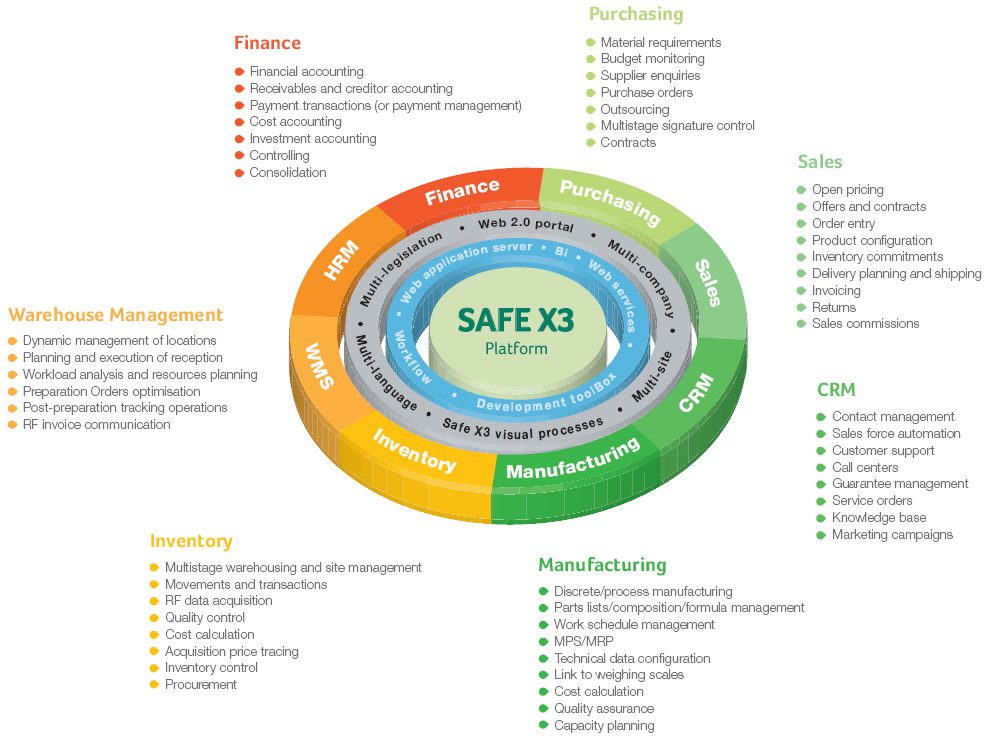
Welcome to a world where managing your business operations becomes effortless with Sage ERP B7. This innovative software solution is designed to streamline your day-to-day tasks, improve efficiency, and boost productivity. Say goodbye to manual processes and hello to automated systems that simplify complex operations. With Sage ERP B7, you can focus on growing your business while the software takes care of the rest.
Overview of Sage Erp B7
Sage Erp B7 is a comprehensive enterprise resource planning system designed to streamline business processes and increase efficiency. This powerful software solution offers a wide range of features and functionalities to help companies manage their finances, inventory, sales, and customer relationships. With Sage Erp B7, businesses can easily track and analyze their financial data, automate key processes, and make informed decisions based on real-time information.
One of the key benefits of Sage Erp B7 is its scalability, which allows businesses to adapt and grow without the need for a complete overhaul of their ERP system. Whether your company is a small start-up or an established enterprise, Sage Erp B7 can be tailored to meet your specific needs and requirements. This flexibility ensures that you can continue to use the software as your business evolves, without the need for expensive upgrades or modifications.
In addition, Sage Erp B7 offers a user-friendly interface that makes it easy for employees to navigate the system and access the information they need. The software is designed with the end user in mind, providing intuitive tools and features that simplify complex tasks and processes. This user-friendly approach allows employees to quickly learn how to use the software effectively, reducing training time and increasing productivity.
Another standout feature of Sage Erp B7 is its robust reporting capabilities. The system generates a variety of customizable reports that allow businesses to track key performance indicators, analyze trends, and identify areas for improvement. With these reports, companies can gain valuable insights into their operations, finances, and customer interactions, helping them make informed decisions that drive growth and profitability.
Furthermore, Sage Erp B7 is designed to integrate seamlessly with other business systems and applications, such as CRM software, e-commerce platforms, and third-party tools. This integration ensures that businesses can share data and information across different systems, eliminating the need for manual data entry and reducing the risk of errors. Additionally, Sage Erp B7 offers a range of APIs and connectors that make it easy to connect the ERP system with other software solutions, further enhancing its functionality and usability.
Overall, Sage Erp B7 is a powerful and versatile ERP solution that can transform the way your business operates. With its wide range of features, scalability, user-friendly interface, robust reporting capabilities, and seamless integration options, Sage Erp B7 provides companies with the tools they need to streamline their processes, increase efficiency, and drive growth. Whether you are a small business looking to optimize your operations or a large enterprise in need of a comprehensive ERP system, Sage Erp B7 has the capabilities to meet your needs and help you achieve your goals.
Key Features of Sage Erp B7
Sage Erp B7 is a powerful Enterprise Resource Planning (ERP) software that helps businesses streamline their operations, improve efficiency, and drive growth. This comprehensive solution offers a wide range of features designed to meet the unique needs of small and medium-sized businesses. Here are some key features of Sage Erp B7:
1. Financial Management: Sage Erp B7 provides robust financial management capabilities, allowing businesses to manage their accounting, budgeting, and cash flow with ease. With features such as general ledger, accounts payable and receivable, and financial reporting, businesses can gain insight into their financial health and make informed decisions.
2. Inventory Management: One of the standout features of Sage Erp B7 is its advanced inventory management functionality. Businesses can track their inventory levels in real-time, manage stock levels, and optimize their supply chain processes. With the ability to set up reorder points, monitor stock movements, and track serial numbers, businesses can reduce inventory costs and improve efficiency.
3. Customer Relationship Management (CRM): Another key feature of Sage Erp B7 is its integrated CRM module, which allows businesses to manage their customer relationships more effectively. With features such as contact management, sales automation, and customer service tools, businesses can attract, retain, and engage customers with personalized experiences.
4. Business Intelligence: Sage Erp B7 provides powerful business intelligence tools that help businesses analyze their data, gain insights, and make data-driven decisions. With customizable dashboards, interactive reports, and real-time analytics, businesses can track key performance indicators, identify trends, and forecast future performance.
5. Manufacturing Management: For businesses in the manufacturing industry, Sage Erp B7 offers comprehensive manufacturing management capabilities. From demand planning and production scheduling to quality control and shop floor management, businesses can optimize their manufacturing processes and improve efficiency.
6. Human Resources Management: Sage Erp B7 includes a robust human resources management module that helps businesses manage their workforce effectively. From employee data management and payroll processing to performance evaluation and training tracking, businesses can streamline their HR processes and ensure compliance with regulations.
7. Mobile Access: Sage Erp B7 is designed to be mobile-friendly, allowing businesses to access their ERP system anytime, anywhere. With mobile apps for iOS and Android devices, employees can stay connected, collaborate on tasks, and access real-time information on the go.
Overall, Sage Erp B7 is a comprehensive ERP solution that offers a wide range of features to help businesses streamline their operations, improve efficiency, and drive growth. Whether you are looking to enhance your financial management, optimize your inventory, or improve customer relationships, Sage Erp B7 has the tools you need to succeed.
Implementation Process for Sage Erp B7
Implementing Sage Erp B7 can be a smooth process if planned and executed properly. Here is a detailed overview of the implementation process:
1. Planning and Preparation: Before diving into the implementation process, it is crucial to have a clear plan in place. This includes defining the goals and objectives of the implementation, establishing a timeline, and allocating resources such as budget and personnel. It is important to involve key stakeholders from different departments in the planning stage to ensure that the implementation aligns with the organization’s overall objectives.
2. Data Migration: Once the planning stage is complete, the next step is to migrate existing data to Sage Erp B7. This involves transferring data from the old system to the new one, ensuring that the data is accurate and consistent. Data migration is a critical part of the implementation process as it lays the foundation for the system to function effectively. It is important to conduct thorough testing during this stage to identify any inconsistencies or errors in the data.
3. Customization and Configuration: One of the key advantages of Sage Erp B7 is its flexibility and ability to be customized to meet the specific needs of an organization. During this stage, the system is configured to align with the business processes and requirements of the organization. This may involve setting up modules, creating workflows, and defining user roles and permissions. Customization allows for a tailored solution that maximizes efficiency and productivity within the organization.
Customization may also involve integrating third-party applications or developing custom features to enhance the functionality of Sage Erp B7. It is important to work closely with the implementation team or consultants to ensure that the system is configured appropriately to meet the organization’s unique needs.
4. Training and Testing: Once the system is customized and configured, it is important to provide training to end-users to ensure that they are comfortable using Sage Erp B7. Training sessions can be conducted in-person or virtually, depending on the organization’s preferences. It is important to tailor training sessions to different user groups, such as administrators, managers, and employees, to ensure that each group understands how to use the system effectively.
Testing is another critical phase of the implementation process, where the system is put through various scenarios to identify any bugs or issues that need to be addressed. Testing should be conducted by a dedicated team or group of individuals who can provide feedback on the system’s performance and functionality.
5. Go-Live and Support: The final stage of the implementation process is the go-live phase, where the system is officially launched for use by the organization. It is important to monitor the system closely during the initial period to address any issues or concerns that may arise. It is also essential to provide ongoing support to end-users to ensure that they can effectively use Sage Erp B7 and maximize its benefits.
By following these steps and working closely with the implementation team or consultants, organizations can successfully deploy Sage Erp B7 and leverage its powerful features to improve their operations and achieve their business goals.
Benefits of Using Sage Erp B7
Switching to Sage Erp B7 can bring a multitude of benefits to businesses of all sizes. From streamlining processes to improving efficiency, this software offers a range of advantages that can help businesses thrive and grow. Here are some of the key benefits of using Sage Erp B7:
1. Improved Efficiency: Sage Erp B7 automates repetitive tasks, saving time and allowing employees to focus on more strategic activities. By streamlining processes and eliminating manual data entry, businesses can operate more efficiently and effectively.
2. Better Decision Making: With real-time data and analytics, Sage Erp B7 provides businesses with the information they need to make informed decisions. From financial reports to inventory management, this software enables businesses to access crucial data and insights quickly and easily.
3. Cost Savings: By automating manual tasks and streamlining processes, Sage Erp B7 can help businesses save money in the long run. From reducing labor costs to minimizing errors, this software can lead to significant cost savings for businesses of all sizes.
4. Scalability: One of the key advantages of using Sage Erp B7 is its scalability. Whether a business is just starting out or looking to expand, this software can grow with the business. With customizable features and modules, businesses can tailor Sage Erp B7 to meet their specific needs and scale it as their business grows.
With its scalability, businesses can start with the basic features of Sage Erp B7 and add on additional functionalities as needed. This flexibility ensures that businesses can adapt their software to their changing needs and requirements, without the need for a complete system overhaul.
Sage Erp B7 also offers multi-currency capabilities, making it ideal for businesses operating in international markets. With the ability to manage multiple currencies and exchange rates, businesses can easily conduct transactions and track finances across different regions.
In conclusion, the benefits of using Sage Erp B7 are clear. From improved efficiency and better decision-making to cost savings and scalability, this software offers a range of advantages that can help businesses succeed and thrive in today’s competitive market. Whether a business is just starting out or looking to expand, Sage Erp B7 is a valuable tool that can drive growth and success. With its customizable features and scalability, businesses can tailor Sage Erp B7 to meet their specific needs and requirements, ensuring that they have the tools they need to succeed both now and in the future.
Case Studies of Companies Using Sage Erp B7
Sage ERP B7 has been successfully implemented by various companies across different industries, providing them with a comprehensive solution for their business needs. Let’s take a closer look at some case studies of companies that have benefited from using Sage ERP B7.
1. Company X – Company X, a manufacturing company, was facing challenges with managing their inventory, production processes, and financials. After implementing Sage ERP B7, they saw a significant improvement in their operations. The system helped streamline their inventory management, track production processes efficiently, and gain better visibility into their financials. As a result, Company X was able to increase productivity, reduce costs, and improve their overall business performance.
2. Company Y – Company Y, a distribution company, needed a solution to automate their order processing, manage their warehouse operations, and improve customer service. Sage ERP B7 was able to meet their requirements and provide them with a seamless system to handle their business processes. With Sage ERP B7, Company Y was able to automate their order processing, optimize their warehouse operations, and enhance their customer service. This led to increased efficiency, reduced errors, and improved customer satisfaction for Company Y.
3. Company Z – Company Z, a service-based company, was struggling with managing their projects, resources, and billing processes. Sage ERP B7 proved to be the perfect solution for their needs. The system helped Company Z streamline their project management, allocate resources effectively, and automate their billing processes. As a result, Company Z was able to deliver projects on time, optimize resource utilization, and improve their cash flow. Sage ERP B7 played a crucial role in helping Company Z achieve their business goals.
4. Company A – Company A, a retail company, was looking for a solution to integrate their sales, inventory, and accounting processes. Sage ERP B7 provided them with a centralized system to manage all aspects of their business. With Sage ERP B7, Company A was able to streamline their sales processes, track inventory levels accurately, and simplify their accounting tasks. This helped Company A improve their decision-making, increase sales revenue, and enhance their overall business performance.
5. Company B – Company B, a growing e-commerce company, was searching for a reliable system to handle their online sales, inventory management, and financials. Sage ERP B7 proved to be the ideal solution for them. The system enabled Company B to automate their online sales processes, manage their inventory efficiently, and gain insights into their financial performance. With Sage ERP B7, Company B was able to scale their business operations, improve their customer service, and drive growth in their e-commerce business.
These case studies demonstrate the diverse range of companies that have successfully implemented Sage ERP B7 to address their unique business challenges and achieve their goals. Whether you are in manufacturing, distribution, services, retail, or e-commerce, Sage ERP B7 can provide you with a comprehensive solution to streamline your operations, optimize your processes, and drive success in your business.
Originally posted 2025-01-03 19:14:53.