Hey there! Are you wondering if Sage is an ERP system? Well, you’ve come to the right place! In this article, we’ll explore what Sage is and whether it falls under the category of an ERP (Enterprise Resource Planning) system. So sit back, relax, and let’s dive into the world of Sage and ERP systems together.
Overview of Sage ERP System
Sage ERP (Enterprise Resource Planning) System is a comprehensive software solution that helps businesses manage their core processes more effectively. It is designed to integrate various functions such as accounting, human resources, customer relationship management, inventory management, and more into a single system, providing users with real-time data and insights to make informed decisions.
One of the key features of Sage ERP System is its scalability, which allows businesses of all sizes to customize the system according to their specific needs and requirements. Whether you are a small startup or a large enterprise, Sage ERP System can be tailored to fit your unique business processes and workflows.
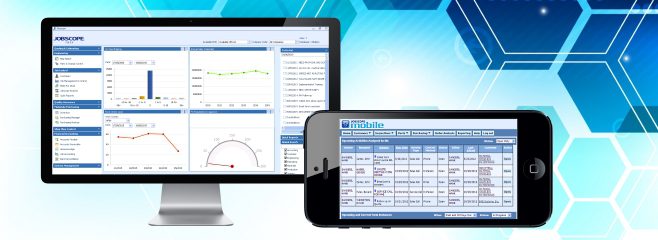
Furthermore, Sage ERP System is known for its user-friendly interface and easy-to-navigate dashboard, making it simple for employees to access the information they need quickly and efficiently. With just a few clicks, users can generate reports, analyze data, and streamline their day-to-day operations.
In addition, Sage ERP System is equipped with advanced reporting and analytics tools that allow businesses to gain deeper insights into their performance and make data-driven decisions. Users can track key performance indicators, monitor trends, and identify areas for improvement, ultimately helping businesses drive growth and profitability.
Another highlight of Sage ERP System is its robust security features, which ensure that sensitive business data is protected from unauthorized access and cyber threats. With multiple layers of security measures in place, businesses can have peace of mind knowing that their information is safe and secure.
Overall, Sage ERP System offers a wide range of benefits for businesses looking to streamline their operations, improve efficiency, and drive growth. Whether you are looking to automate your accounting processes, manage your inventory more effectively, or enhance your customer relationships, Sage ERP System has the tools and capabilities to help you achieve your goals.
Key Features of Sage ERP System
When it comes to the features of Sage ERP system, there are several key components that make it stand out from other ERP systems in the market. One of the main features of Sage ERP system is its robust financial management capabilities. This system allows businesses to handle all of their accounting needs in one place, including managing budgets, expenses, and financial reporting. With Sage ERP, businesses can easily track their financial performance, make informed decisions, and stay compliant with financial regulations.
Another key feature of Sage ERP system is its inventory management functionality. With Sage ERP, businesses can efficiently manage their inventory levels, track stock movement, and forecast demand. This helps businesses minimize stockouts, reduce excess inventory, and improve overall operational efficiency. In addition, Sage ERP system offers advanced features like serial and lot tracking, multi-location inventory management, and demand planning to help businesses stay on top of their inventory management.
Furthermore, Sage ERP system also offers powerful reporting and analytics capabilities. With Sage ERP, businesses can generate customizable reports, dashboards, and KPIs to gain insights into their business performance. This allows businesses to monitor key metrics, identify trends, and make data-driven decisions to improve their overall operations. In addition, Sage ERP system integrates with popular business intelligence tools like Microsoft Power BI and Tableau, allowing businesses to further enhance their reporting and analytics capabilities.
Additionally, Sage ERP system is known for its strong CRM (Customer Relationship Management) functionality. With Sage ERP, businesses can effectively manage their customer interactions, track sales opportunities, and improve customer satisfaction. Sage CRM enables businesses to streamline their sales processes, automate marketing campaigns, and provide personalized customer service. This helps businesses attract new customers, retain existing ones, and drive growth.
Moreover, Sage ERP system offers extensive customization and integration capabilities. With Sage ERP, businesses can tailor the system to meet their specific needs and requirements. Whether it’s customizing workflows, fields, or reports, businesses can easily adapt Sage ERP to fit their unique business processes. Additionally, Sage ERP integrates seamlessly with other business applications like eCommerce platforms, payroll systems, and HR software, allowing businesses to streamline their operations and improve overall efficiency.
In conclusion, Sage ERP system offers a comprehensive suite of features that cater to the diverse needs of businesses across various industries. From financial management and inventory control to reporting and CRM, Sage ERP provides businesses with the tools they need to succeed in today’s competitive market. With its user-friendly interface, robust functionalities, and flexibility, Sage ERP system is a smart choice for businesses looking to streamline their operations, drive growth, and stay ahead of the competition.
Benefits of Using Sage ERP System
Sage ERP system is a powerful tool that can help businesses streamline their processes, improve efficiency, and make better decisions. There are many benefits to using Sage ERP system, some of which include:
1. Cost Savings: One of the main benefits of using Sage ERP system is the potential for cost savings. By automating and streamlining processes, businesses can reduce the need for manual labor and eliminate errors, resulting in lower operational costs.
2. Improved Efficiency: With Sage ERP system, businesses can automate repetitive tasks, such as data entry and reporting, freeing up employees to focus on more strategic tasks. This can lead to improved efficiency and productivity within the organization.
3. Increased Visibility and Control: Sage ERP system provides businesses with real-time visibility into their operations, allowing them to track key performance indicators and make informed decisions. This increased visibility also gives businesses greater control over their processes, helping them to identify and address any issues quickly.
4. Better Decision Making: With access to real-time data and analytics, businesses using Sage ERP system can make more informed decisions. This can help them to identify trends, forecast future performance, and react quickly to changes in the market.
5. Scalability: Sage ERP system is scalable, meaning it can grow with your business. Whether you are a small startup or a large enterprise, Sage ERP system can be tailored to meet your specific needs and support your growth.
6. Improved Customer Service: By having access to a centralized database of customer information, businesses using Sage ERP system can provide better customer service. This can lead to increased customer satisfaction and loyalty.
7. Compliance: Sage ERP system can help businesses ensure compliance with industry regulations and standards. By automating processes and maintaining accurate records, businesses can reduce the risk of non-compliance and potential penalties.
In conclusion, the benefits of using Sage ERP system are numerous and can have a significant impact on the success of your business. From cost savings to improved efficiency and better decision-making, Sage ERP system is a valuable tool for businesses of all sizes.
Comparison of Sage ERP System with other ERP Systems
Sage ERP System is a popular choice for businesses looking for an all-in-one solution to manage their operations. It offers a wide range of features and functionalities that make it stand out from other ERP systems on the market. One of the key advantages of Sage ERP System is its user-friendly interface, which makes it easy for employees to navigate and use the system effectively.
Another benefit of Sage ERP System is its scalability. Whether you are a small startup or a large corporation, Sage ERP System can be tailored to meet your specific needs and grow with your business. This flexibility sets it apart from other ERP systems that may be less customizable and harder to adapt to changing business requirements.
In terms of integration, Sage ERP System excels at connecting different departments within an organization and streamlining workflows. Its seamless integration with other software applications, such as CRM systems and accounting software, ensures that data is shared accurately and efficiently across the organization.
When comparing Sage ERP System to other ERP systems on the market, one area where it stands out is in its pricing. Sage ERP System offers competitive pricing plans that are affordable for businesses of all sizes. This makes it a cost-effective solution for companies looking to improve their operations without breaking the bank.
Overall, Sage ERP System offers a comprehensive set of features and functionalities that make it a top choice for businesses looking to streamline their operations and improve efficiency. Its user-friendly interface, scalability, integration capabilities, and competitive pricing set it apart from other ERP systems on the market.
How to Implement Sage ERP System for Your Business
Implementing a new ERP system can be a daunting task for any business. However, with the right approach and support, the implementation process can be smooth and successful. When it comes to implementing Sage ERP system for your business, here are some key steps to consider:
1. Planning and Preparation:
Before diving into the implementation process, it is essential to have a clear plan in place. Define your goals and objectives for implementing the Sage ERP system. Identify key stakeholders who will be involved in the process and assign roles and responsibilities. Consider the timeline for implementation and set realistic expectations.
2. System Evaluation:
Evaluate your current business processes and identify areas where the Sage ERP system can bring improvements. Conduct a thorough assessment of your existing systems and databases to determine the compatibility and integration requirements for the new system.
3. Training and Education:
One of the most crucial aspects of implementing a new ERP system is ensuring that your team is well-trained and educated on how to use the system effectively. Provide training sessions for all users to familiarize them with the functionalities of the Sage ERP system. Consider offering refresher courses and ongoing support to ensure that your team is comfortable using the system.
4. Data Migration:
Accurate and secure data migration is essential for a successful ERP implementation. Ensure that all relevant data from your old systems is transferred to the new Sage ERP system without errors or discrepancies. Develop a data migration plan and consider working with a third-party consultant to assist with the process.
5. Testing and Quality Assurance:
Before fully implementing the Sage ERP system, it is crucial to conduct thorough testing and quality assurance checks. Set up a testing environment to simulate real-world scenarios and scenarios. Test the system for functionality, performance, and security. Identify and resolve any issues or bugs before going live with the system.
By following these key steps, you can streamline the implementation process of the Sage ERP system for your business and maximize its benefits. Remember to communicate regularly with your team, manage expectations, and seek support from the Sage ERP provider or consultants when needed. With careful planning and execution, you can successfully integrate the Sage ERP system into your business operations and drive growth and efficiency.
Originally posted 2025-01-02 12:28:38.